
Oildale, California, just north of Bakersfield: its history is basically the collision of oil capitalism, Dust Bowl migration, working-class country culture, and racial exclusion.
An oil-company settlement
The area was initially known as Waits or North Side. In 1909, landowner Samuel Dickinson subdivided property there, and the name Oildale eventually stuck; its post office opened in 1916. It developed beside the enormous Kern River, Kern Front, and Fruitvale oil fields rather than around farming, government, or an old civic center. (Wikipedia)
That distinction mattered. Oildale was never really a picturesque “oil-boom town.” It was a labor settlement: inexpensive houses, trailers, boarding places, bars, churches, repair shops, and families whose livelihoods followed drilling, refinery, construction, trucking, and agricultural work.
The landscape itself was industrial—derricks, tanks, pipelines and later pumpjacks practically woven through residential life.
The Dust Bowl remade it
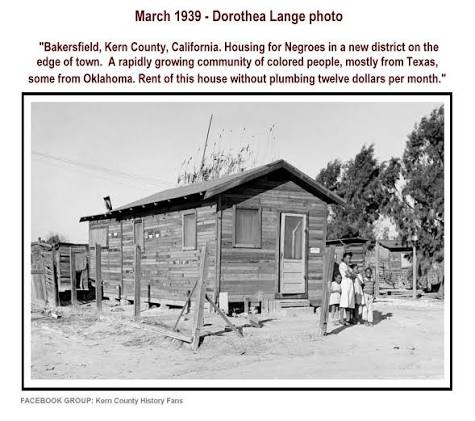
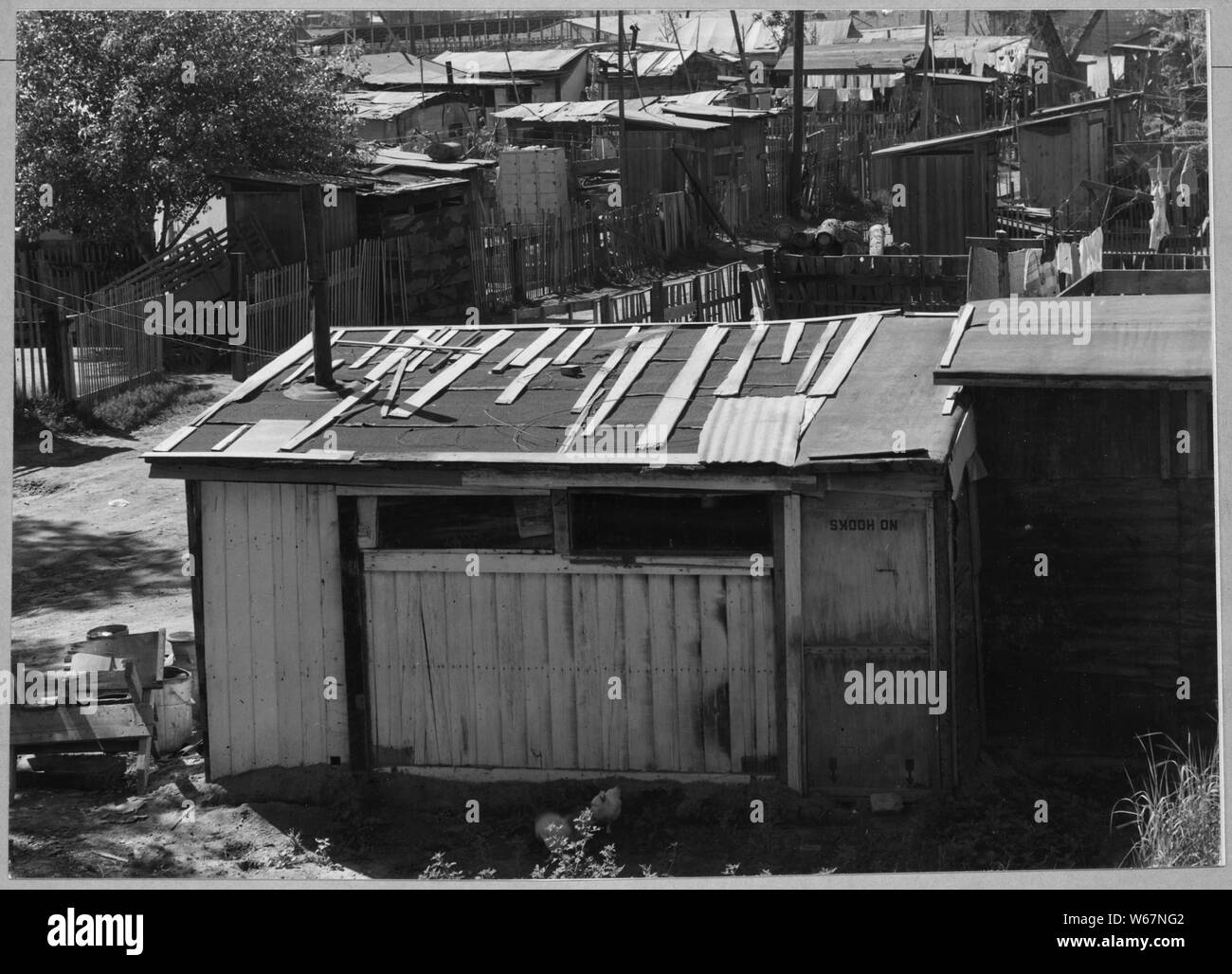
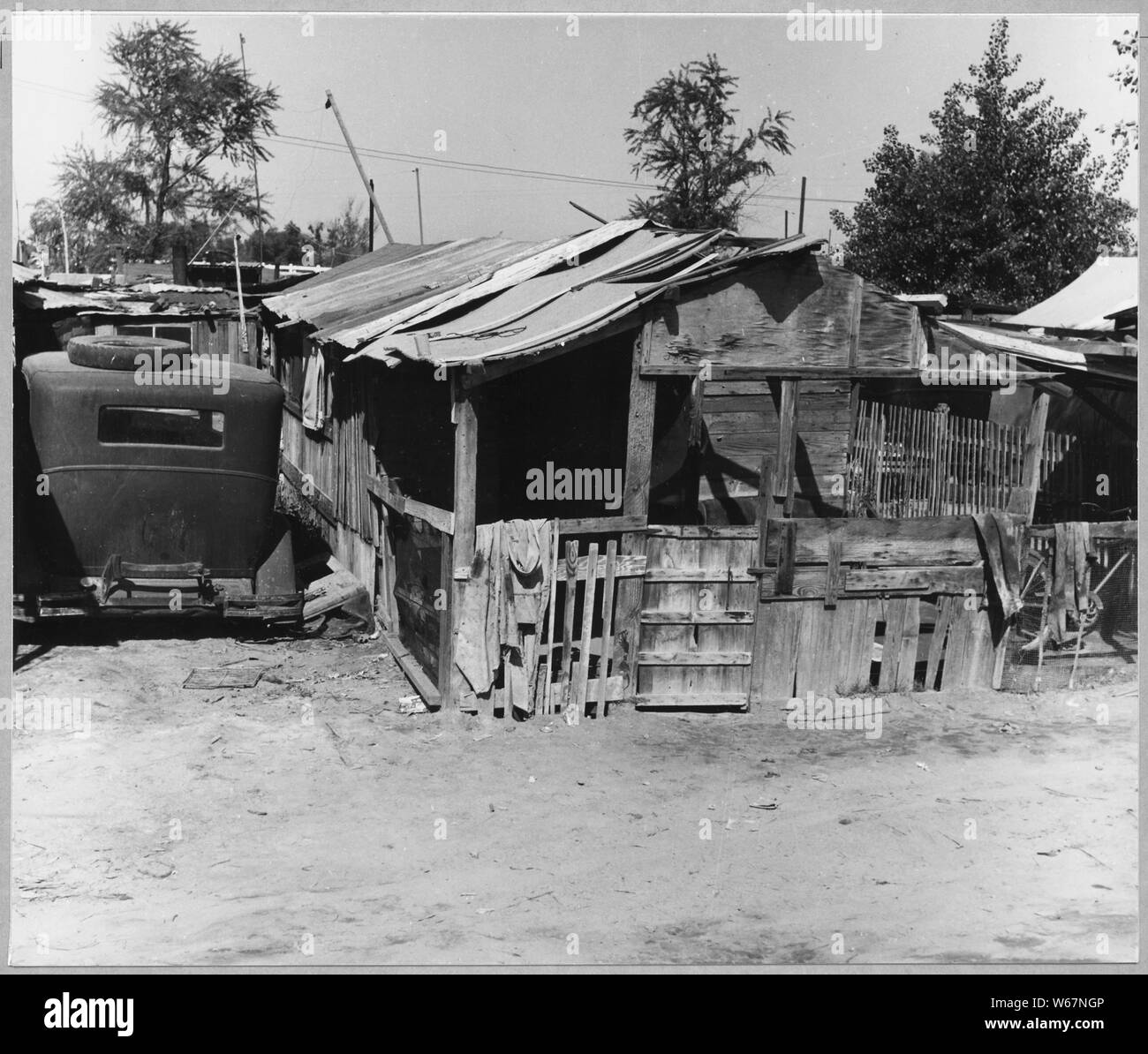
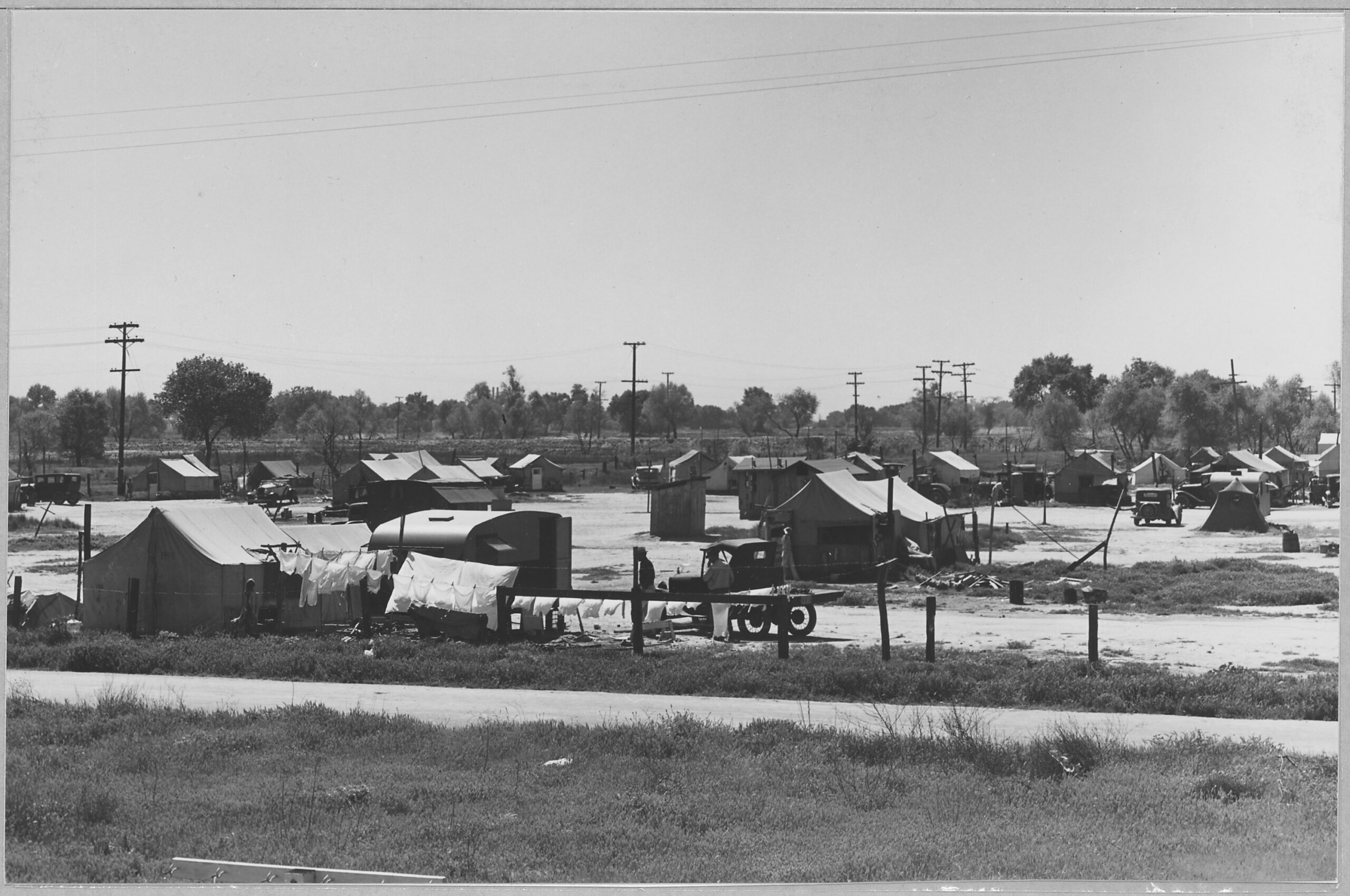
During the 1930s and 1940s, large numbers of impoverished migrants from Oklahoma, Arkansas, Texas and Missourientered Kern County looking for agricultural and oil-field work. They were frequently dismissed as “Okies,” regardless of their actual state of origin.
Many settled in and around Oildale because it was cheaper and because its working-class economy was more accessible than established Bakersfield society. Oildale consequently developed a very particular identity:
- Southern and Southwestern accents
- Pentecostal, Baptist and fundamentalist churches
- honky-tonks and dance halls
- distrust of metropolitan California
- strong family and regional loyalties
- a hard, defensive working-class masculinity
It became one of the California communities where uprooted Southern Plains culture was reconstructed rather than simply absorbed.
Oildale and the Bakersfield Sound
That migration is a major piece of the Bakersfield Sound. The music was not merely Nashville country produced in California. It grew from displaced working people carrying Oklahoma and Texas fiddle music, Western swing, gospel, honky-tonk and migrant sorrow into a loud industrial environment.
Electric guitars and prominent drums made sense in noisy bars filled with oil hands and farm laborers. The music’s emotional world—prison, drinking, itinerant labor, divorce, resentment, survival and longing for home—came directly from communities like Oildale.
Merle Haggard was born in Oildale in 1937, after his parents migrated from Oklahoma during the Depression. His childhood home was famously fashioned from a converted railroad boxcar. So when Haggard sings about labor, imprisonment, social stigma or working-class pride, Oildale is not background scenery. It is the social world that produced him.
The darker racial history
Oildale also acquired a longstanding reputation as a white enclave hostile to Black residents. Oral histories collected by the Tougaloo College Sundown Towns project report that residents remembered an explicitly racist warning sign, although accounts differ about its exact location and when it disappeared. A 1992 report described Oildale as still struggling with a reputation for roughneck culture and racial hostility decades after the Dust Bowl migration. (History and Social Justice)
This did not arise only from personal prejudice. Kern County politics had a broader history of Klan influence, aggressive law enforcement and a punitive “law-and-order” culture. Oildale’s economic insecurity, racial segregation and outsider identity became mutually reinforcing: poor white residents could be exploited by landowners and oil interests while still being encouraged to understand themselves as racially superior to Black and Mexican workers. (The Guardian)
That is the contradiction inside much of the region’s culture: authentic working-class suffering combined with reactionary racial politics.
Why it remained poor despite sitting on oil
Oildale demonstrates that living beside immense natural wealth does not mean sharing in it. The oil belonged largely to corporations and mineral-rights holders. Workers received wages and accepted the physical risk; the community inherited polluted land, cyclical employment, deteriorating infrastructure and dependence on an industry controlled elsewhere.
Because Oildale remains unincorporated, county government—not an independent city government—provides many public services. That has also contributed to its sense of being adjacent to Bakersfield but not fully invested in by it.
Today it is more ethnically mixed than its old image suggests, but poverty remains substantial. The 2020 census counted roughly 36,000 residents, and later census estimates have continued to show unusually high economic hardship. (Wikipedia)
So the larger story of Oildale is:
People displaced by one economic catastrophe migrated west to work inside another extractive system, built a powerful musical culture from the experience, and were given racial identity and working-class pride more readily than lasting ownership or security.
That is why Oildale can produce something as truthful as Merle Haggard’s music while also carrying such an ugly racial reputation. Both grew from the same abandoned, defensive social world.
